




Introduction
A compassionate, evidence informed guide for anyone who wants to understand, cope, and heal.
If you have been feeling overwhelmed lately carrying a weight you cannot quite name, lying awake at night, or simply going through the motions without feeling present please know that you are not alone. Anxiety and depression are among the most common human experiences, affecting millions of people across every age, background, and walk of life. Yet despite how widespread they are, many people still struggle in silence, unsure of what they are feeling or where to turn.
This guide is written for you. Not to alarm you, and not to hand you a checklist but to help you understand what is happening inside you, why it matters, and what small, gentle steps you can take to feel better. You deserve that understanding.
What Are Anxiety and Depression?
Before we talk about effects, it helps to understand what these conditions actually are in plain, human terms.
Anxiety
Anxiety is your nervous system’s way of responding to perceived threats. In small doses, it is useful because it keeps us alert before a big presentation or cautious near a busy road. But when anxiety becomes persistent, showing up even in safe, ordinary moments, it starts to feel like a constant, low level alarm that will not switch off.
People living with anxiety often describe it as relentless worry, a sense of dread about things that may never happen, or a racing mind that feels impossible to quiet. In more intense episodes, some people experience what is called an anxiety attack, a sudden surge of fear accompanied by a pounding heart, shortness of breath, dizziness, or a feeling that something is very wrong. These episodes can feel terrifying, even when there is no real danger present.
Depression
Depression is more than feeling sad. It is a persistent heaviness, a dimming of the world’s color that makes even simple tasks feel monumental. Many people with depression describe it not as intense grief, but as a kind of numbness: a loss of interest in things they once loved, difficulty finding reasons to get out of bed, and a quiet inner voice that is often unkind.
When depression is severe and long lasting, it may be diagnosed as major depressive disorder, a clinical term that simply means the symptoms are significant enough to interfere with daily life in a meaningful way. Hearing a diagnosis like that can feel heavy, but it also means you have a clearer path to the right kind of support.
How Anxiety Affects Mental Health
Chronic anxiety does not just live in your thoughts it spreads. Over time, it can quietly reshape how you experience daily life:
- Constant worry that cycles through worst case scenarios, even when everything is objectively fine.
- Sleep disturbances difficulty falling asleep, staying asleep, or waking feeling as tired as when you lay down.
- Difficulty concentrating, because a mind in threat mode struggles to stay focused on the present moment.
- Emotional exhaustion the sheer effort of managing persistent fear takes an enormous toll on your energy reserves.
- Physical symptoms such as tension headaches, a tight chest, an upset stomach, or muscle aches that have no medical explanation.
Many people do not realize they have anxiety, they just know they feel tired all the time, or that they can never fully relax. That recognition alone is a meaningful first step.
How Depression Affects Mental Health
Depression has a way of making the world feel smaller. Its effects ripple outward in ways that touch nearly every area of life:
- Loss of motivation for things that once brought joy, purpose, or satisfaction feel flat and unreachable.
- Negative thinking patterns that are persistent, self critical, and difficult to challenge from the inside.
- Social withdrawal pulls away from friends, family, and activities, often because connection itself feels effortful or undeserved.
- Low energy and fatigue are not explained by poor sleep alone, it is the energy of the soul as much as the body.
- Changes in appetite, movement, and speech some people slow down noticeably; others become restless or agitated.
When Anxiety and Depression Occur Together
It is very common for anxiety and depression to exist side by side. In fact, research suggests that more than half of people with depression also experience significant anxiety. This overlap can create a particularly difficult emotional experience, the relentless worry of anxiety combined with the heaviness and hopelessness of depression.
In some cases, this combination occurs within the context of bipolar depression, the depressive phase of bipolar disorder, where periods of deep low mood alternate with times of elevated or unusually energized mood. If you notice dramatic mood shifts alongside your anxiety or depression, it is worth discussing this with a professional, as the treatment approach may differ.
Understanding Bipolar Disorder
Bipolar disorder is a condition characterized by significant swings between emotional highs (known as mania or hypomania) and lows (depression). During a high phase, a person may feel unusually energized, need very little sleep, speak rapidly, or make impulsive decisions. During a low phase, the experience mirrors depression closely.
You may also come across the older term manic depression. This is simply a historical name for what we now call bipolar disorder, and while the language has evolved, the experience it describes is real and deserving of compassionate care.
Common signs of bipolar disorder include extreme mood episodes that feel out of character, periods of racing thoughts or grandiose ideas, followed by crashes into deep fatigue or sadness and a general pattern of instability that feels difficult to predict or control. Only a qualified clinician can make this diagnosis, so if any of this resonates, please seek a professional evaluation.
Signs You Should Not Ignore
- Pay gentle attention if you notice
- Persistent sadness or low mood lasting more than two weeks
- Extreme or uncontrollable worry that interferes with daily activities
- Ongoing sleep problems too much or too little
- A significant loss of interest in things you used to enjoy
- Withdrawing from friends, family, or responsibilities
- Difficulty completing basic tasks like cooking, showering, or leaving the house
- Thoughts of hopelessness, worthlessness, or not wanting to be here
None of these signs means something is irreparably wrong. They mean you deserve support and that reaching out is not a sign of weakness, but of self awareness and courage.
Self Care Ideas for Mental Health
While self care is not a substitute for professional support when it is needed, it is a genuinely meaningful part of recovery and resilience. Think of it as tending to the soil. It does not force anything to grow, but it creates conditions where growth becomes possible.
Some of the most effective self care ideas for mental health include:
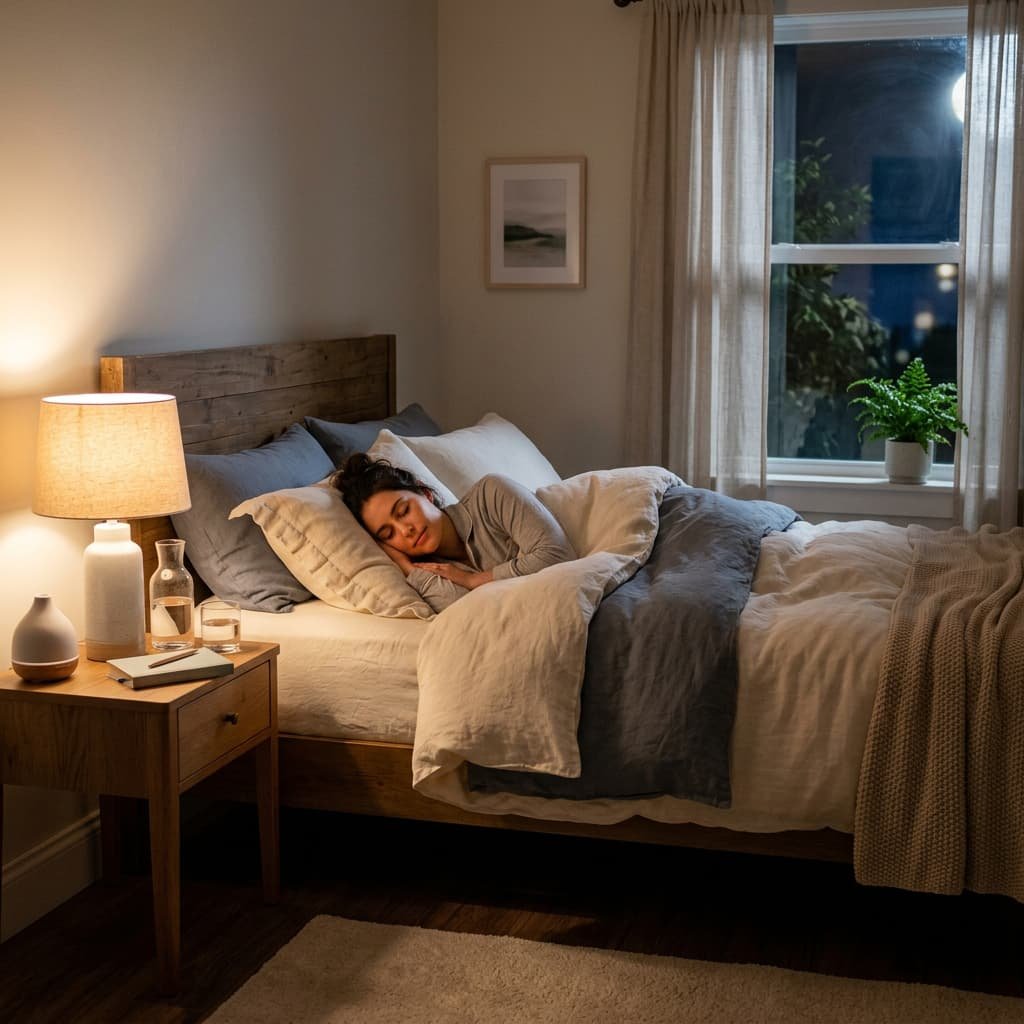
- Consistent sleep rhythms going to bed and waking at roughly the same time, even on weekends, has an outsized effect on mood stability.
- Gentle movement even a 20 minute walk outdoors can meaningfully shift your emotional state. You do not need to run a marathon; you just need to move.
- Journaling or expressive writing putting feelings into words, even privately, can help you process what you are carrying and reduce its intensity.
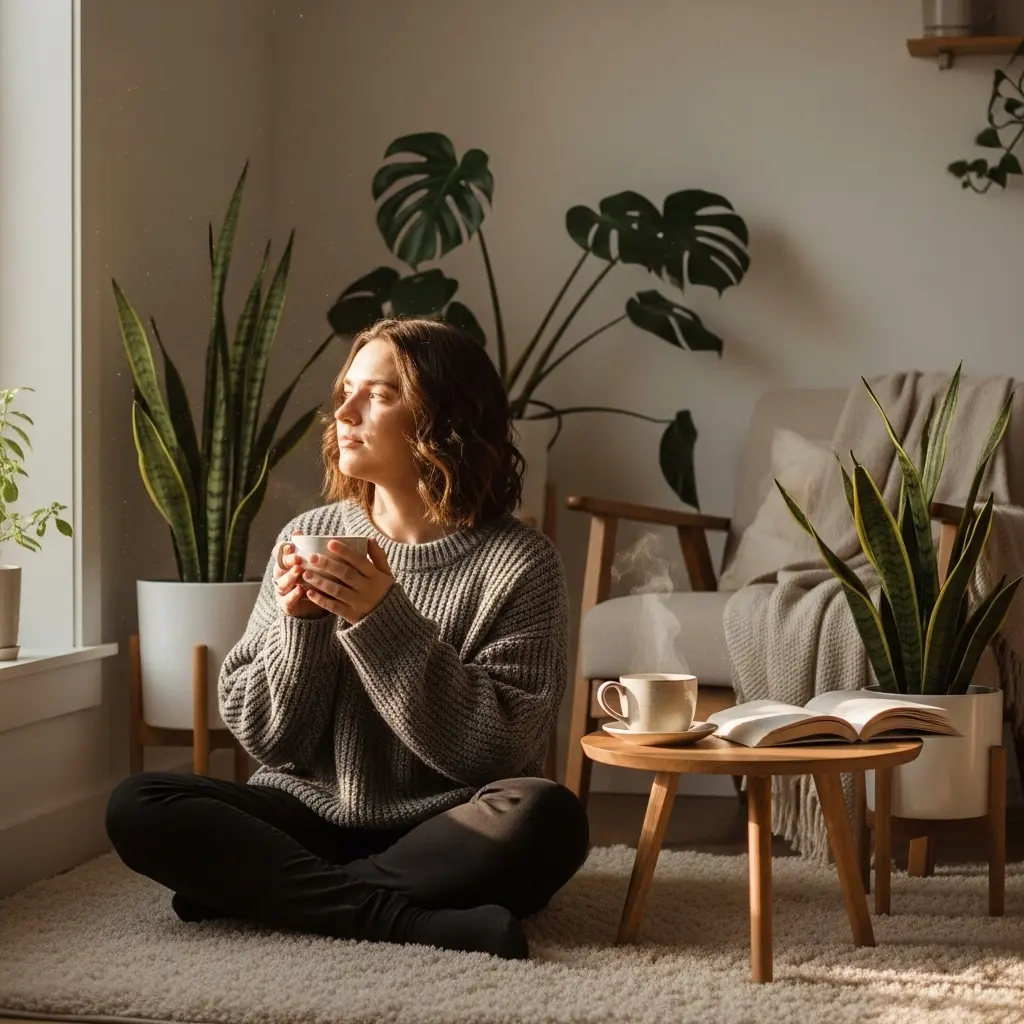
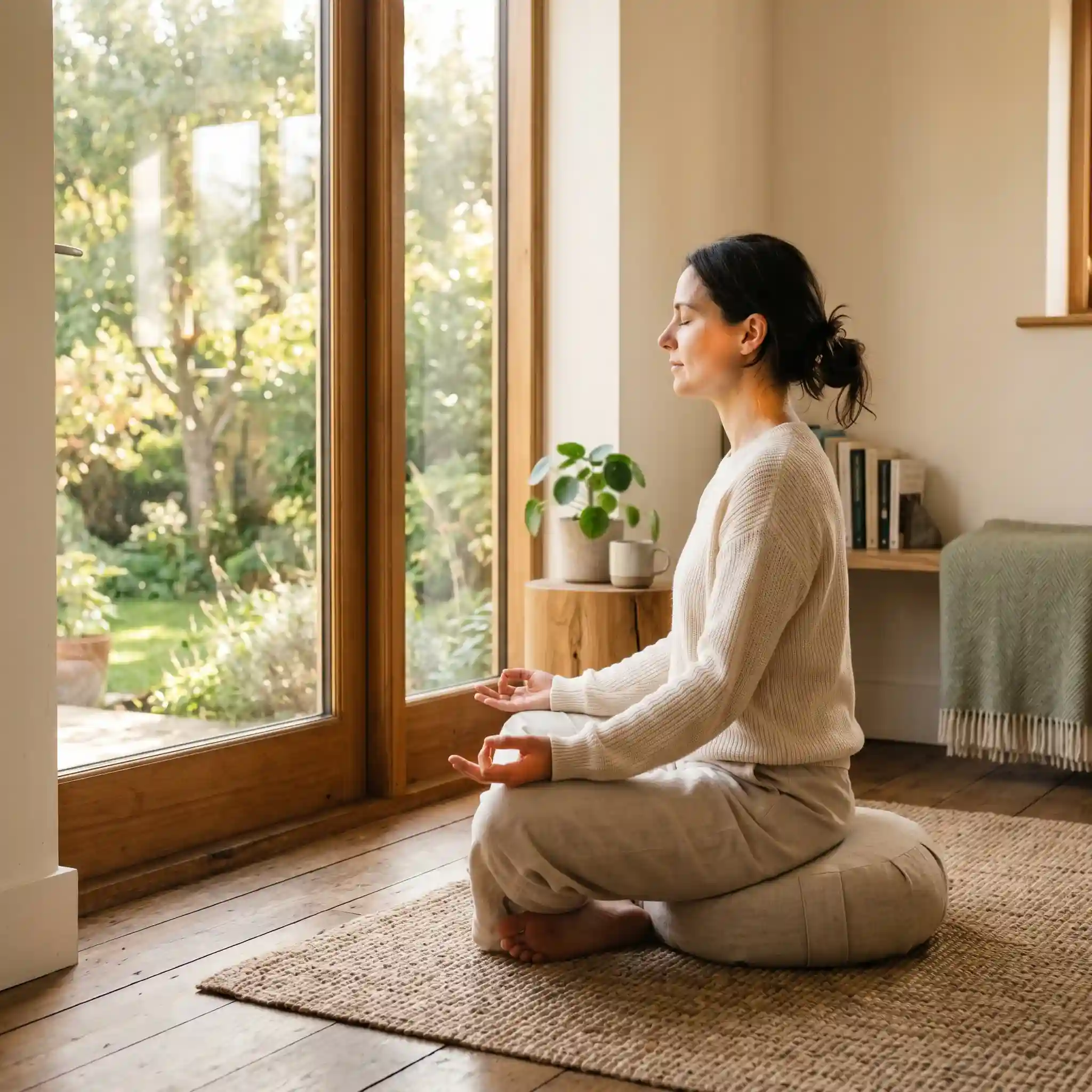
- Moments of calm breathing exercises, mindfulness, or simply sitting quietly with a cup of tea count. The goal is to give your nervous system regular rest from stimulation.
- Staying connected to isolation tends to worsen both anxiety and depression. Even small interactions with a text, a short call can gently interrupt that pull inward.
- Limiting alcohol, caffeine, and social media, all of which are known to amplify anxiety and disrupt sleep.
Home Care for Mental Health
For many people, managing their mental health at home is not just a preference it is their day to day reality. The good news is that your home environment can be shaped into a place of genuine support.
Practical home care for mental health issues might look like:
- Creating a loose daily routine not rigid scheduling, but gentle anchors like a consistent morning ritual, mealtimes, and a wind down practice before bed.
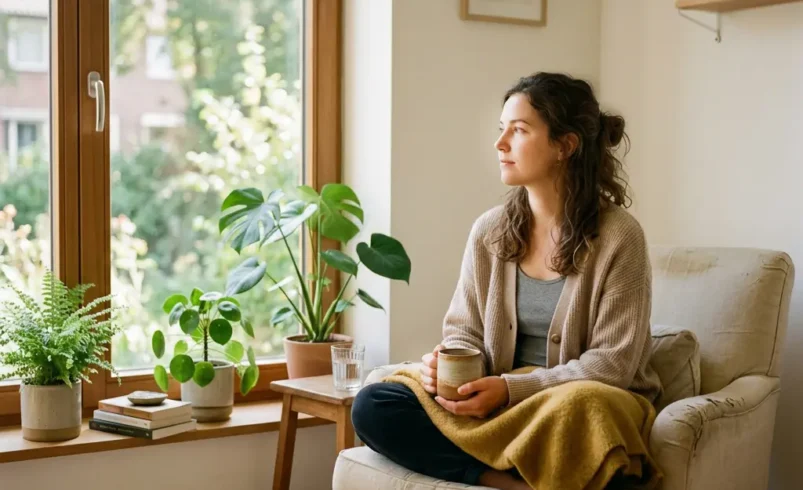
- Designating a calming corner in your home, a chair, a space near a window where you go intentionally to decompress.
- Reducing clutter and visual noise, which research suggests can lower baseline stress levels.
- Involving trusted people in your care letting a family member or housemate know what you are going through so they can offer support without guessing.
- Using accessible tools like guided meditation apps, mood tracking journals, or online support communities as adjuncts to your wellbeing routine.
The Role of Mental Health Professionals
There are moments when the most caring thing you can do for yourself is to put your struggles in the hands of someone trained to help. Therapy, counseling, and psychiatric support exist precisely for those moments and they work.
Psychologists and therapists can help you understand the patterns beneath your anxiety or depression and develop new ways of responding to them. Psychiatrists can evaluate whether medication might be a helpful part of your treatment. And mental health nursing professionals play a vital, often underappreciated role providing ongoing support, monitoring, and education, especially in more intensive care settings or for people managing complex conditions.
Seeking professional help is not a last resort. It is a first rate option, and often the most efficient path to feeling genuinely better.
When to Seek Professional Help
If your symptoms have persisted for more than two weeks, are significantly affecting your ability to work, study, or care for yourself, or are causing distress that feels unmanageable, please consider reaching out to a mental health professional. You do not need to be in crisis to deserve care and the earlier you seek support, the sooner you can begin to feel like yourself again.
If you are having thoughts of harming yourself or others, please reach out to a crisis line or emergency service in your area right away. Help is available, and you do not need to face this moment alone.
Frequently Asked Questions
Can anxiety and depression happen at the same time?
Yes, and it is more common than most people realize. Many people experience both simultaneously, which can make symptoms feel more intense or confusing. A mental health professional can help you understand which symptoms belong to which condition and tailor treatment accordingly.
How do I know if I need professional help?
A good rule of thumb: if your symptoms have lasted more than two weeks, are getting in the way of daily life, or feel beyond what you can manage on your own, it is worth speaking to a professional. You do not need to wait until things feel unbearable.
Can self care really improve mental health?
Self care genuinely helps consistent sleep, movement, connection, and stress reduction have real, measurable effects on mood and anxiety. That said, self care works best as a complement to professional support for moderate or severe conditions, not as a replacement for it.
What causes anxiety attacks?
Anxiety attacks are triggered by the body’s fight or flight response activating in the absence of real danger. Triggers vary widely stress, caffeine, lack of sleep, certain situations, or sometimes nothing identifiable at all. Understanding your personal triggers, often with the help of a therapist, is one of the most effective ways to reduce their frequency.
Is bipolar disorder different from regular depression?
Yes. While bipolar disorder includes depressive episodes that can look very similar to major depressive disorder, it also involves distinct periods of elevated or unusually energized mood. This distinction matters for treatment, which is why an accurate diagnosis from a qualified professional is so important.
A final word
Your mental health is not a luxury, it is the foundation of everything else in your life. The fact that you are here, reading this, looking for understanding, is already a meaningful act of self care.
Healing from anxiety or depression rarely happens in one dramatic moment. It happens in small steps: one honest conversation, one night of better sleep, one afternoon where the weight lifts just a little. Those steps accumulate. They add up to something real.
Whatever you are carrying right now you do not have to carry it alone. Help exists, and you deserve it. Read more