

Introduction
Anxiety attacks can feel completely overwhelming and if you’ve ever experienced one, you already know that no amount of telling yourself to just calm down actually works at that moment.
The chest tightens. The mind races. Your heart pounds like it’s trying to escape. And somehow, knowing it’s just anxiety doesn’t make the feeling go away.
Here’s the thing though you’re not broken, and you’re definitely not alone. Anxiety is one of the most common experiences people deal with quietly, often without telling anyone. The good news is that stress and anxiety control is genuinely possible, even from home, even without medication, and even if you’ve been struggling for a while.
This guide is written to help you understand what’s happening in your body, what you can actually do about it, and when it might be time to ask for extra support.
What Even Is an Anxiety Attack?
A lot of people confuse everyday stress with a full anxiety or panic attack and honestly, that confusion is understandable because the line between them can blur.
Stress is usually connected to something specific. A deadline, an argument, money worries. It builds gradually and tends to ease when the situation resolves.
An anxiety attack is different. It tends to arrive suddenly, sometimes out of nowhere, and it peaks fast, usually within 10 minutes. Your body goes into full alert mode, flooding your system with adrenaline as if you’re in physical danger. Except there’s no actual danger. That mismatch between what your body feels and what’s actually happening is what makes anxiety attacks so disorienting.
Many people don’t realize at first that what they’re experiencing has a name or that it’s something others go through too.
What It Actually Feels Like
Panic attack symptoms can vary from person to person, but some patterns show up again and again.
A racing or pounding heartbeat is usually the first thing people notice. Then comes the shortness of breath that tight, shallow feeling like you can’t get enough air in. Some people feel dizzy or lightheaded. Others sweat or start trembling without feeling cold.
The thoughts that come along with it can be just as intense as the physical symptoms. Racing, repetitive, worst case scenario thinking. A sense that something terrible is about to happen. Sometimes a strange feeling of unreality like you’re watching yourself from the outside.
For some people, the symptoms appear slowly and build over an hour. For others, it’s sudden and peaks within minutes. Neither experience is more valid than the other anxiety shows up differently for everyone.
What’s worth remembering is that as awful as these symptoms feel, they are a nervous system response, not a sign that something is medically wrong with your heart or lungs. Your body is doing exactly what it was designed to do under perceived threat. It’s just doing it at the wrong time.
Things That Actually Help in the Moment
There’s no single fix that works for everyone. But these techniques are worth having in your toolkit even if one or two of them click for you, that’s enough.
Slow Your Breathing Down First
This one sounds almost too simple, but breathing for anxiety genuinely works and the science behind it is solid.
When you’re anxious, your breathing becomes fast and shallow, which actually increases the feeling of panic. Slowing it down sends a direct signal to your nervous system that you’re safe.
Try breathing in through your nose for 4 counts, holding for a moment, then breathing out slowly for 6 to 8 counts. The extended exhale is the part that matters most. Do this five or six times. You won’t feel better instantly but within a few minutes, your body will begin to respond.
Bring Yourself Back to the Room
Grounding exercises are one of the more underrated anxiety relief techniques out there. The idea is simple: when your mind is spiraling into fear about what might happen, you pull it back to what’s actually here, right now.
The 5, 4, 3, 2, 1 method is a good starting point. Name five things you can see. Four you can physically feel. Three you can hear. Two you can smell. One you can taste. It sounds almost childishly simple but it works because it forces your brain to engage with the present rather than the fear.
Let Your Muscles Release
Anxiety lives in the body, not just the mind. Most people don’t notice how tightly they’ve been holding their shoulders, their jaw, or their hands until someone points it out.
Try tensing one muscle group at a time your feet, then calves, then thighs, moving upward holding for a few seconds, then deliberately releasing. That contrast between tension and release is one of the most effective relaxation methods for bringing the body back down from a heightened state.
Change Your Environment If You Can
This one doesn’t get mentioned enough. A loud, bright, busy space can make anxiety significantly worse. If you’re able to, step away. Find somewhere quieter. Sit down. Dim the lights if possible.
Calming the nervous system sometimes just means reducing the amount of sensory input it’s trying to process. Even closing your eyes for 60 seconds can create a noticeable shift.
Talk to Yourself Differently
The inner voice during an anxiety attack tends to be harsh, catastrophic, and very convincing. Something is seriously wrong. I can’t handle this. This is never going to stop.
None of those things are true but they feel true in the moment.
A small shift in language can help. Not forced positivity, but something more grounded: This is uncomfortable, and it will pass. I’ve felt this before and I was okay. My body is doing something uncomfortable, not something dangerous.
It won’t silence the anxiety immediately. But over time, this kind of internal reframing genuinely changes how your nervous system learns to respond.
Drink Water and Literally Slow Down
A glass of cool water, sipped slowly, is more useful than it sounds. The act of drinking requires attention. It slows your breath. It gives your hands something to do. And mild dehydration, which many people walk around with daily, can quietly worsen feelings of anxiety.
Pair it with slowing your movements deliberately. Walk slower. Move like you’re not in a hurry. Your nervous system reads your body language and urgency signals danger.
Try a Few Minutes of Mindfulness
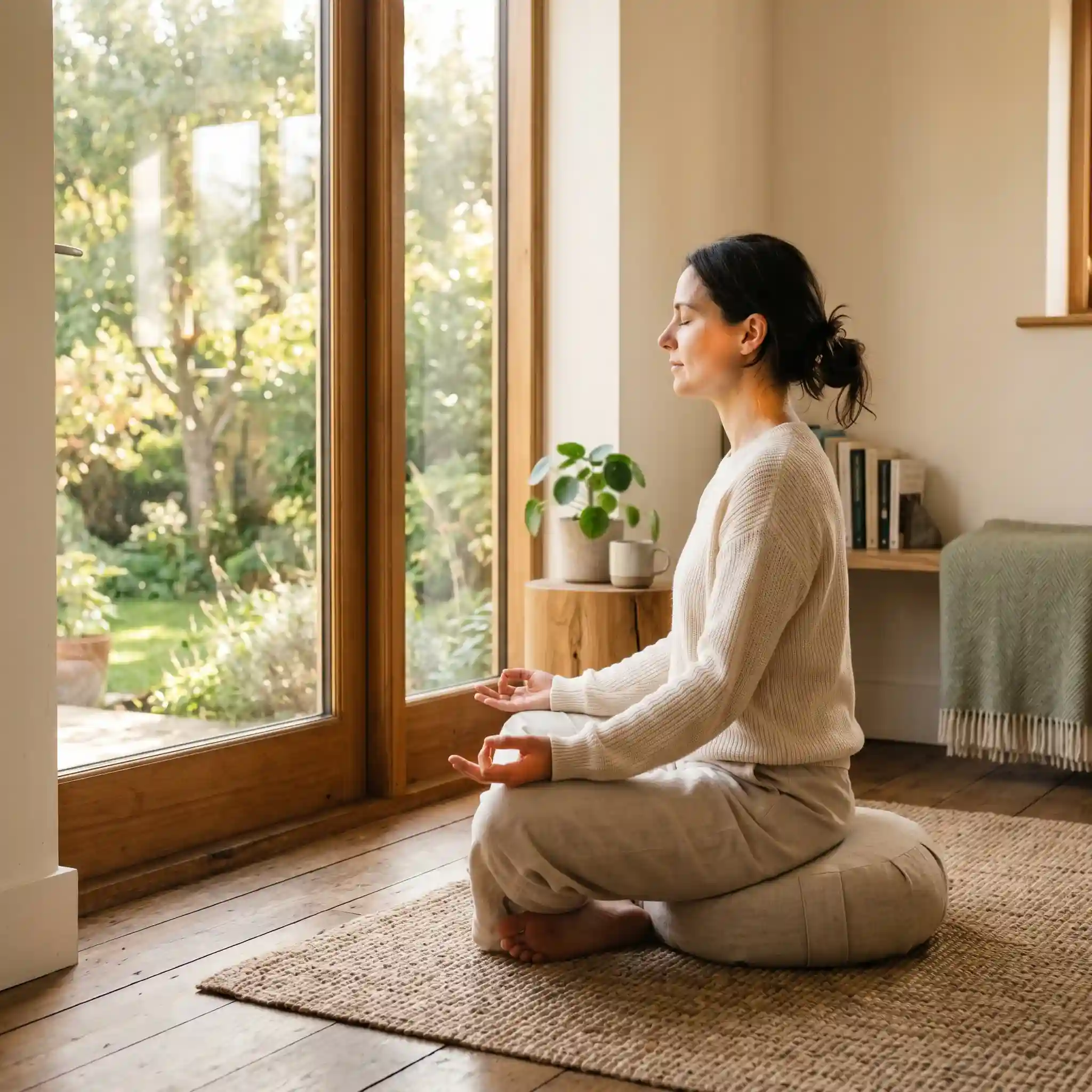
Mindfulness techniques don’t require an app or a meditation background. In their simplest form, they just mean noticing what’s happening without immediately trying to fix it.
Sit quietly. Breathe. Notice the anxiety without fighting it. I feel tightness in my chest. My thoughts are moving fast. I’m scared. Naming the experience without judgment creates a small but real distance between you and the feeling. Over time, that distance grows.
The Daily Habits That Make a Bigger Difference Than People Expect
Managing stress naturally isn’t just about what you do during an attack. It’s about what you build into your everyday life.
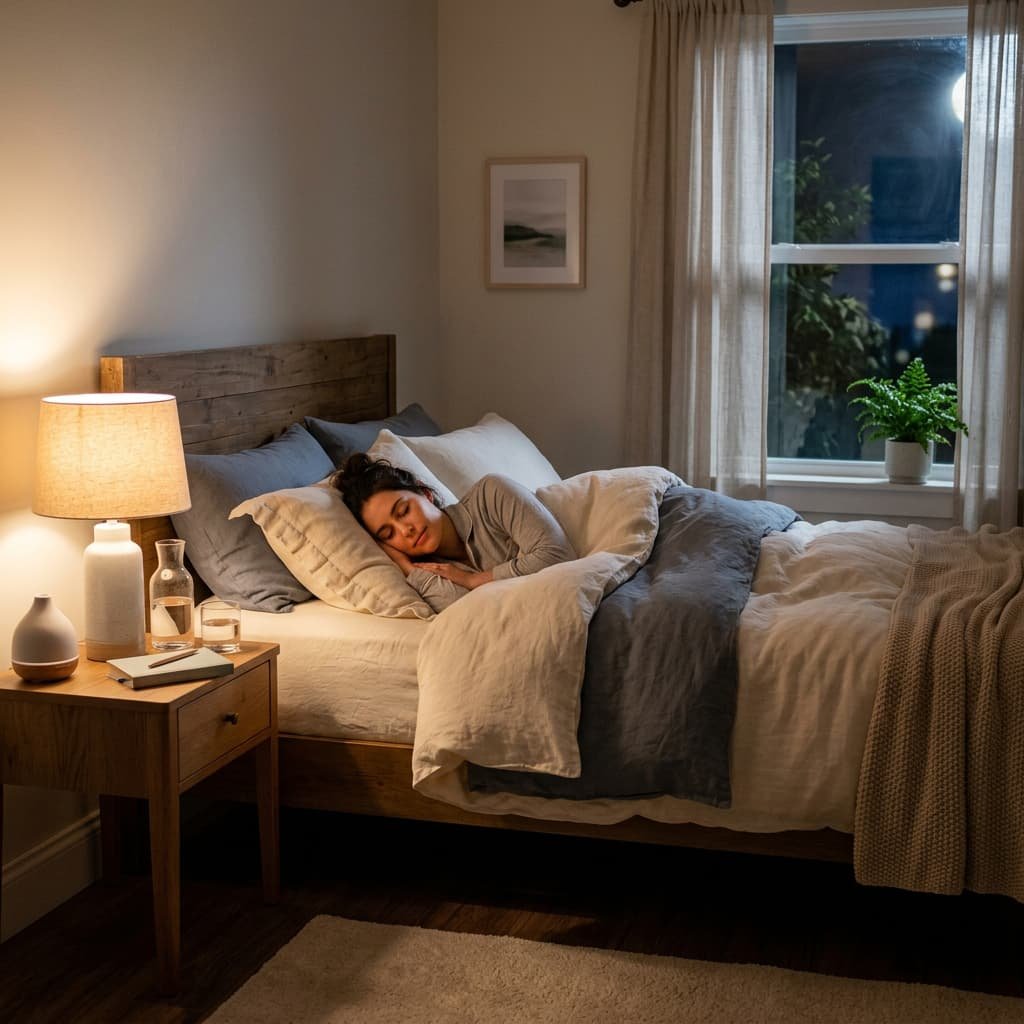
Sleep is probably the biggest one. Anxiety and poor sleep have a circular relationship, each one makes the other worse. Protecting your sleep, even imperfectly, matters more than most people give it credit for.
Movement helps too. Not intense gym sessions necessarily even a short walk outside can sometimes help clear your mind after a stressful day. Exercise releases the body’s natural mood regulators, and regular movement is one of the most reliable mental wellness habits you can build.
Caffeine is worth paying attention to. Many people with anxiety are sensitive to it without realizing it. Reducing your intake, particularly in the afternoon, can make a noticeable difference.
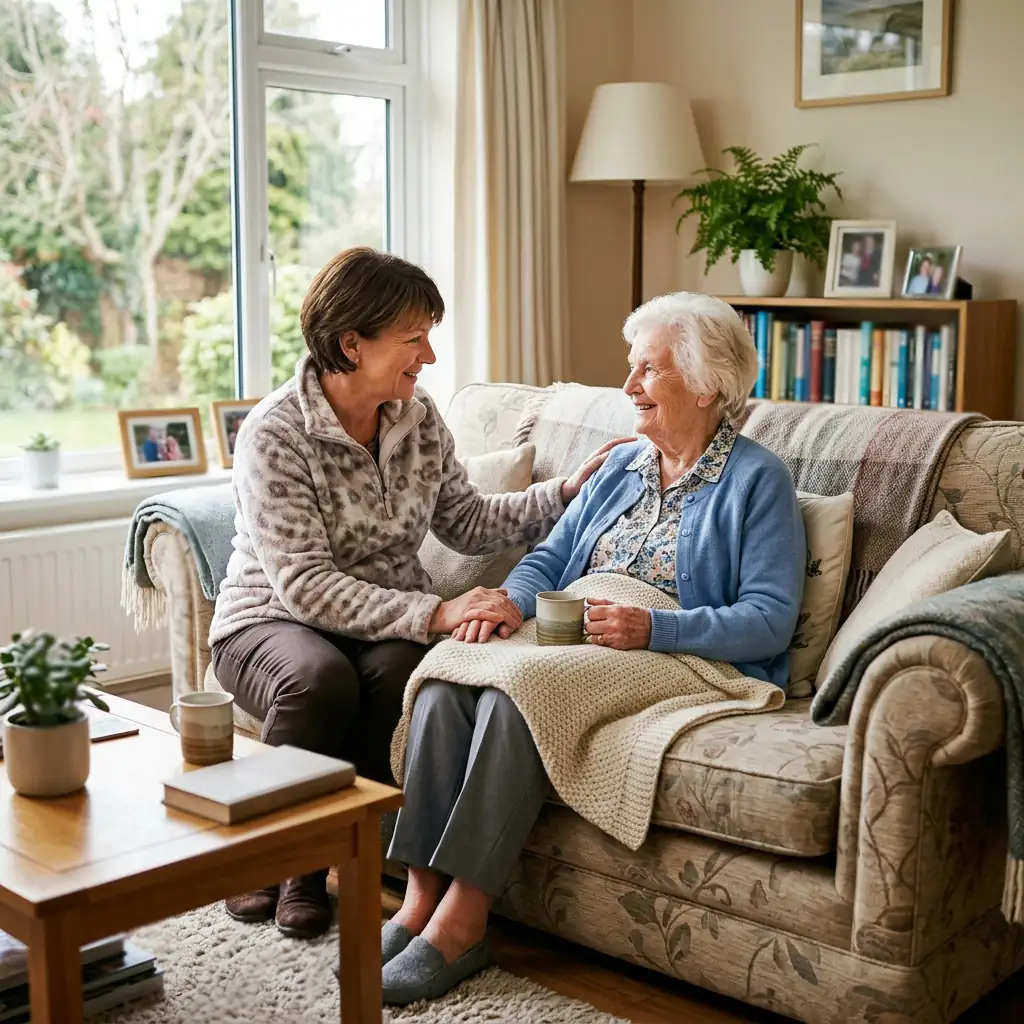
And connection genuinely one of the most underused healthy coping habits. Anxiety tends to make people withdraw, which is exactly the opposite of what helps. Staying connected to people you trust, even loosely, creates a buffer against the worst of it.
Mistakes That Make It Worse
Fighting the feeling is a big one. The instinct is to push the anxiety away, resist it, argue with it. But anxiety tends to intensify when resisted. Accepting that it’s present, not welcoming it, just acknowledging it usually reduces its grip faster.
Checking your symptoms obsessively is another common trap. Looking up your racing heartbeat or chest tightness during a panic attack almost always leads somewhere unhelpful. This is one of those situations where less information is genuinely better.
And isolating. Anxiety lies, it tells you that you’re a burden, that no one would understand, that it’s easier to just stay home. Most of the time, that’s the anxiety talking, not reality.
When Home Techniques Aren’t Enough
Everything in this guide is genuinely useful but it has limits. If anxiety attacks are happening frequently, if they’re affecting your work or your relationships, or if you’ve started avoiding situations because of fear, that’s the point where professional support becomes the most helpful thing you can do.
Therapy, particularly cognitive behavioral therapy, has a strong track record with anxiety. It’s not about lying on a couch talking about your childhood. It’s practical, structured, and most people notice changes within a few months. There’s no shame in needing that level of support. Anxiety can be serious, and treating it seriously is the right response.
A Few Questions People Often Ask
How can I calm anxiety quickly at home?
Start with slow breathing, focus on making the exhale longer than the inhale. Then try a grounding technique to pull your attention back to the present. Reducing noise and stimulation around you also helps faster than most people expect. Stress and anxiety control gets easier with practice, but even the first time you try these techniques, you may notice some relief.
What usually triggers anxiety attacks?
High stress, poor sleep, too much caffeine, big life changes, and unresolved emotional tension are common ones. Some attacks seem to arrive without any obvious trigger, which can be unsettling but it doesn’t mean something is uniquely wrong with you.
Does breathing actually work or is it just something people say?
It actually works. Slow breathing directly activates the parasympathetic nervous system, the part of your nervous system responsible for rest and calm. It’s not a placebo. The extended exhale in particular is what triggers the calming response.
When should someone see a doctor?
If panic attacks are happening more than once a week, interfering with daily life, or leaving you afraid of when the next one will hit, please speak to someone. A doctor can rule out any physical causes and connect you with the right support.
To Finish
Anxiety attacks are not a sign of weakness, and they don’t mean something is permanently wrong with you. They’re uncomfortable, sometimes frightening, and genuinely hard to live with but they’re also manageable.
The techniques here won’t eliminate anxiety overnight. What they do is give you something to work with in the moment, and something to build on over time. Small steps, practiced consistently, genuinely add up.
Be patient with yourself through this. That alone the decision to approach your anxiety with curiosity instead of shame is already a meaningful shift. Read more