




Introduction
If you’ve been struggling with weight for a while, I want you to know you’re not alone, and you’re not doing anything wrong. The sheer volume of advice out there is overwhelming. One article tells you to cut carbs completely. Another says to do intense workouts every day. Someone else is promoting a detox tea. It can feel like you need a degree just to figure out where to start.
Here’s what I’ve learned from working with beginners: the people who actually see lasting results aren’t the ones who followed the most extreme plan. They’re the ones who stuck to something simple, realistic, and sustainable. That’s what this guide is about.
We’ll walk through natural, beginner friendly steps you can take right from home no gym membership, no expensive equipment, no complicated rules. Just practical habits that work.
What Does Natural Weight Loss Actually Mean?
When I say natural, I don’t mean some trendy detox or cleanse. Natural weight loss simply means losing weight through consistent, healthy lifestyle habits, no extreme restriction, no shortcuts, and no reliance on pills or injections.
It’s the idea that your body already knows how to regulate itself, you just need to give it the right conditions. That means eating whole foods most of the time, staying active in ways that feel manageable, sleeping enough, and keeping stress in check.
Nothing dramatic. Nothing unsustainable. Just small, consistent choices that add up over time.
Why Most People Struggle to Lose Weight
Before diving into solutions, it helps to understand what gets in the way. In my experience, most people don’t fail because they’re lazy or undisciplined. They fail because of a few very common patterns.
The Lose Weight Fast Myth
Let’s be honest about this one: the desire to lose weight fast is completely understandable. But most approaches that promise rapid results crash diets, extreme calorie cutting, doing two-hour workouts every day aren’t sustainable for more than a few weeks. You lose some weight, burn out, and then slowly regain it. It’s a frustrating cycle.
Realistic weight loss for beginners is typically 0.5 to 1 kilogram per week. That might not sound exciting, but over three months, that’s a meaningful and lasting change. Fast results that don’t stick aren’t actually results.
Inconsistency Over Time
The second big issue is starting strong and then fading. Most people are highly motivated at the beginning of a new routine but motivation is temporary. What keeps you going is building small habits that become almost automatic, like brushing your teeth. We’ll talk about how to do that below.
Focusing on One Thing Instead of the Whole Picture
Weight loss is rarely about just exercise or just food. It’s about sleep, stress, hydration, and your overall daily routine. People who only focus on one piece say, just walking every day often wonder why results are slow. The full picture matters.
How to Lose Weight Naturally at Home
If you’re just starting out, you don’t need anything complicated. Here are the habits I’d build one at a time.
Start With a Simple Daily Routine
Before you change anything about food or exercise, just get a routine in place. Wake up at a consistent time. Eat at roughly the same times each day. Have a loose evening wind-down. When your body has a predictable schedule, it functions better including when it comes to hunger signals and fat metabolism.
Focus on Portion Control, Not Elimination
You don’t need to cut out entire food groups. One of the most practical things you can do is simply pay attention to how much you’re eating. Use a smaller plate. Eat slowly. Stop when you’re around 80% full rather than stuffed. These might sound small, but for most people, they make a noticeable difference within a few weeks.
Choose Whole, Unprocessed Foods Most of the Time
You don’t have to eat perfectly. But shifting even 60 to 70% of your meals toward whole foods vegetables, fruits, legumes, lean proteins, and whole grains makes a big impact. These foods keep you full longer and give your body the nutrients it needs to function well.
Processed foods, on the other hand, are often engineered to make you eat more than you need. Cutting back not cutting out is a sustainable place to start.
Stay Physically Active Throughout the Day
Formal exercise is great, but your daily movement outside of workouts matters just as much. If you sit most of the day, even a 20 minute walk after dinner can make a real difference. Take the stairs. Walk while on a phone call. These micro movements add up to hundreds of extra calories burned each week.
Drink Enough Water
Dehydration is often mistaken for hunger. Drinking water before meals can reduce how much you eat, and staying hydrated helps your metabolism work at its best. A simple goal: drink 6–8 glasses of water a day. If plain water feels boring, try adding a slice of lemon or cucumber.
Prioritize Sleep
This one is underrated. Poor sleep disrupts the hormones that control hunger, specifically ghrelin (which makes you hungry) and leptin (which tells you you’re full). People who consistently sleep less than 6 hours tend to eat more and lose weight more slowly. Aim for 7 to 9 hours and treat sleep as seriously as your workouts.
Manage Stress Actively
Stress elevates cortisol, a hormone that encourages fat storage especially around the belly. You can’t eliminate stress, but you can build simple ways to manage it. A 10 minute walk. Journaling before bed. Breathing exercises. These aren’t just wellness buzzwords, they have a genuine impact on how your body stores and burns fat.
Best Weight Loss Exercises at Home for Beginners
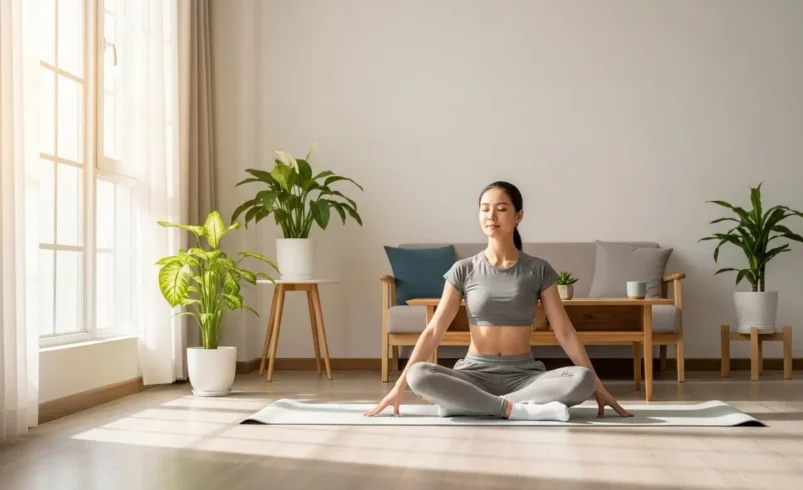
You don’t need a gym. Some of the best weight loss exercises at home require nothing but your body and a bit of floor space. Here’s where to start:
- Bodyweight squats great for legs and core, burns a solid amount of calories
- Push ups (modified on knees if needed) builds upper body strength and raises heart rate
- Walking lunges works multiple muscle groups at once
- Plank holds core strength without straining your back
- Jumping jacks or step taps light cardio with no equipment
- Glute bridges excellent for hips, glutes, and lower back
The goal isn’t to exhaust yourself. Do what feels like a challenge but doesn’t leave you dreading the next session. Consistency beats intensity, especially at the start.
Cardio vs Weight Training: Which Is Better for Fat Loss?
This question comes up constantly, and the answer is: both are valuable, and the best approach uses a bit of each.
Cardio for Weight Loss
Cardio walking, jogging, cycling, dancing burns calories during the activity itself. Running to lose weight is genuinely effective, especially when done consistently at a moderate pace. You don’t need to sprint. A brisk 30 minute walk every day adds up to meaningful calorie expenditure over a week.
For beginners, cardio for weight loss is often a good starting point because it’s low-impact, easy to adjust, and doesn’t require learning complex movements.
Weight Training
Weight training is often overlooked for fat loss, but it’s one of the most effective long-term strategies. Building muscle increases your resting metabolic rate meaning you burn more calories even when you’re not exercising. This is why results from weight training tend to compound over time.
Weight training for women is particularly worth highlighting. There’s a persistent myth that lifting weights will make women bulky. That’s simply not how it works physiologically. What it does do is create a leaner, more toned physique and significantly improves long-term weight management.
At home, bodyweight exercises act as a form of weight training especially when done with enough sets and slow, controlled movement.
Simple Beginner Home Workout Plan (No Equipment)
Here’s a straightforward weekly structure to get started. Aim for 3 4 days per week with rest days in between.
Day 1 & 3 Strength Circuit (20 to 25 minutes)
- 3 sets of 10 squats
- 3 sets of 8 to 10 push ups (modified if needed)
- 3 sets of 10 glute bridges
- 2 sets of 20 second plank holds
Day 2 & 4 Cardio Day (20 to 30 minutes)
- Brisk walk or light jog around your neighborhood
- Alternatively: 3 rounds of 2 minute jumping jacks + 2 minute step taps
Start with 3 days per week and increase when it feels comfortable. There is no shame in starting slowly.
Common Mistakes to Avoid
Even with the best intentions, a few habits can quietly work against your progress:
- Skipping meals usually leads to overeating later and slows your metabolism over time.
- Extreme dieting cutting calories too drastically triggers your body’s starvation response, making fat loss harder.
- Relying on the scale daily weight fluctuates by 1 to 2 kg naturally throughout the day and week. Judges progress over weeks, not days.
- Overcomplicating it early and adding too many changes at once is unsustainable. Pick one or two habits first.
As for weight loss supplements, injections, or fat burners beginners don’t need them, and for most people, they’re simply not necessary to see real results. Focus on the fundamentals first. If you ever have specific questions about medication-based approaches, that’s a conversation to have with your doctor.
Frequently Asked Questions
How can I lose weight naturally at home?
The most effective approach combines a few key habits: eating mostly whole, unprocessed foods, staying active with daily movement and structured exercise a few times per week, sleeping 7 to 9 hours, and managing stress. Natural weight loss comes from building these habits consistently over time not from any single trick or product.
How long does it take to see results?
Most beginners start noticing changes in how their clothes fit and how their energy feels within 3 to 4 weeks of consistent effort. Visible scale changes often show up more clearly by weeks 6 to 8. Progress isn’t always linear, so don’t be discouraged by week-to-week fluctuations.
Is exercise necessary for weight loss?
Technically, weight loss can happen through diet changes alone. But exercise supports fat loss in multiple ways, it burns calories, preserves muscle mass, improves sleep, and reduces stress. Even light activity, like walking 30 minutes a day, makes a meaningful difference.
Can I lose weight without a gym?
Absolutely. Everything in this guide can be done at home. Bodyweight exercises, walking, and simple cardio routines are all highly effective. You don’t need equipment to get started, you just need consistency.
What should I eat to lose weight at home?
Shift most of your meals toward vegetables, lean proteins (eggs, chicken, legumes), whole grains (oats, brown rice), and fruit. Reduce but don’t eliminate processed snacks, fried food, and sugary drinks. Eating smaller portions of balanced meals consistently will take you further than any restrictive diet.
Conclusion
The goal is progress, not perfection. Sustainable weight loss happens when you build habits you can actually maintain, not when you follow a punishing plan for two weeks and burn out.
Start small. Walk a little more. Eat a little better. Sleep a little more consistently. Over time, these changes compound into something significant. You don’t need to overhaul your life overnight, you need to make slightly better choices, more often than before.
If this guide gave you even one thing to try this week, that’s a win. Take it one step at a time. Read more
